Stormwater Management and Testing Basics
As our communities grow and living spaces become denser, stormwater management is becoming more critical. Local, county and the national government are becoming increasingly focused on stormwater management as it offers solutions to problems like water quality, water scarcity, flooding and pollution. This article will help you understand the basics of stormwater management and the critical step of stormwater testing.
What is Stormwater?
Stormwater is water that originates from precipitation like snow or rain. This precipitation lands on the earth and can either be absorbed into the ground and become groundwater or move along an impervious surface and become runoff. Runoff is the primary concern of stormwater management. Stormwater needs to be guided safely to bodies of water to prevent flooding and to minimise pollution. While all precipitation is technically stormwater, the term is most commonly used to refer to runoff.
What is Stormwater Management?
In the UK, stormwater drains typically lead directly into canals, streams, rivers or the sea without any type of water treatment. Modern drainage systems have separate pipes for stormwater and wastewater, with wastewater going to sewage wastewater treatment works (WWTWs). Areas with older infrastructure may use a ‘combined sewer system’ (CSS) where rainwater mixes with wastewater which goes to a treatment plant. However, during heavy rain, these combined systems often overflow from stormwater overflows (SWOs), releasing untreated sewage into local waterways. Storm drains, culverts, and retention ponds are all used to manage stormwater.
Stormwater management programs (SWMPs) utilise methods like constructing stormwater infrastructure, increasing green spaces and testing stormwater for quality to prevent erosion, reduce flooding, increase water quality, protect the environment, and turn stormwater into a usable resource for the community. Storm drains, culverts to direct stormwater under roads or railways, and retention ponds are all used to manage stormwater on local government maintained land and private land. On private land at high risk of oil contamination, oil interceptors use gravity separation of suspended solids and oil or fuel, allowing cleaner water to be discharged into stormwater system. In areas subject to flooding or where the stormwater system can be easily overwhelmed, attenuation tanks may be used to temporarily store rainwater and release it at a controlled rate.
As our communities and industrial areas grow the amount of pavement, asphalt and other impermeable surface area enlarges which increases the amount of runoff that needs to be managed. When rainwater lands on impermeable surfaces like pavement, it runs across those surfaces picking up contaminants. It will eventually carry these contaminants into a body of natural water. When stormwater is not managed it can cause erosion, flooding, and groundwater or river pollution.
Who is Responsible for Stormwater Management?
Stormwater management is usually the focus of three different groups: government entities, private owners, and environmental groups.
The Government in Stormwater Management
Stormwater is managed in the UK by the Environment Agency, through the use of Environmental Permits for discharges to surface water and groundwater. These permits are required to release contaminated water, including surface runoff that may contain pollutants, into watercourses or the ground, in order to prevent pollution. This may include industrial sites, construction sites (managing silt/runoff), as well as water companies. Active management of surface water runoff on construction sites is required to prevent silt/sediment being carried into water courses. Water companies must manage storm and emergency overflows of stormwater and wastewater during periods of heavy rain. Uncontaminated rainwater run off such as in clean roof water soakaways or road runoff may be exempt. Permits are mandatory unless an exemption applies, requiring risk assessments, monitoring, and compliance. The permit is specific to the site or location and sets parameters for the water, including the maximum flow rate, pH, temperature and chemical composition. The permit requires the operator to manage its activities to minimise pollution risk, including mitigation measures and to perform routine sampling and testing of key parameters to ensure compliance.
Stormwater permits in Ireland are regulated by the Environmental Protection Agency (EPA) and local authorities, and are required for the release of contamined water into water courses and groundwater. High emissions activities require an Industrial Emissions (IE) licence and lower emissions activities require an Integrated Pollution Control (IPC) Licences. These require specific controls on stormwater runoff from non-process areas, such as roofs and yards. In the EU, Stormwater discharge permits at the governmental level are regulated by the Water Framework Directive (WFD) and revised Urban Wastewater Treatment Directive (UWWTD) which includes rules for stormwater overflows.
In the USA, Municipal Separate Storm Sewer Systems (MS4s), are permitted by local authorities who have been authorised by the USEPA. These are a type of National Pollutant Discharge Elimination System (NPDES) permit and are often just referred to as MS4 permits. Government entities are also responsible for finding and confirming violations of these permits.
Private Owners in Stormwater Management
The owners, managers, and employees of industrial sites, construction sites, and other permit holders are responsible for enacting stormwater management programs. They will be managing infrastructure, performing stormwater quality testing, and working to meet regulations. This may include implementing measures to slow the release of stormwater, stormwater remediation, making changes to infrastructure or practices to reduce the number of contaminants entering the stormwater; to prevent flooding, erosion and pollution.
Environmental Groups in Stormwater Management
Many environmental groups and participatory science groups monitor stormwater. These groups track water quality in their community and help identify where illicit discharges originate from. They often utilise field test kits to get rapid water quality results and work to educate the public about stormwater.
The Benefits of Testing Stormwater
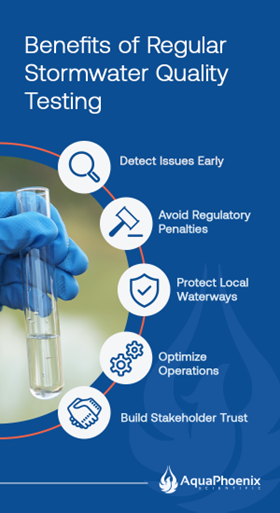
A major aspect of stormwater management is testing stormwater quality. Stormwater testing helps determine the impact stormwater has when it enters waterways. Stormwater monitoring is a requirement of a WDAP, IPC or MS4 permit and can potentially be one of the most expensive requirements of an MS4 program, according to the US National Association of Clean Water Agencies (NACWA). Implementing an appropriate testing regime is critical to the success of a SWMP.
Proper monitoring of stormwater can hold many benefits for the community and the permit holder. Permit holders will prevent costly fines and poor public image in the community. It can also prevent unnecessary damage to equipment and infrastructure. Everyone within the community will benefit from a healthier environment with cleaner waterways.
Figure 1: Stormwater monitoring has many benefits besides reducing the risk of fines.
Sampling
Regardless of the testing method you use you will need to follow specific sampling rules. Stormwater sampling requires consistent documentation and planning. To successfully gather a stormwater sample there needs to be a rain event with 0.1 inches of rain with no rain 24 hours prior to the event. You will also need to be sampling from specific sites in your system. Follow your sampling requirements closely and document accurately. Include information like when the rain started, when you collected your samples, and anything that stood out to you.
Stormwater Testing Methods
Stormwater testing is done in one of two ways, field testing or lab analysis.
Field Testing Stormwater
Field testing is the most convenient and quickest way to obtain results. These kits are usually contained in a convenient carrying case that contains reagents and/or instruments so testing can be performed on location. These kits are favoured by environmental and participatory science groups. Field testing is also the optimal way to spot-check your system before you need to report to regulatory bodies. Field test kits also allow for quick testing of multiple sites making it easier to trace where illicit discharges are originating from.
Lab Analysis of Stormwater
Another way to test stormwater is by taking samples and sending them to an laboratory for analysis. This method takes longer and is often more expensive than field test kits, but it offers more comprehensive testing. If testing through this method, ensure that the laboratory you partner with is accredited, has the proper testing methods, and will provide the necessary documentation.
Common Stormwater Testing Parameters
Where you are testing stormwater will dictate what parameters you need to test for. What types of surfaces the rainwater runoff has passed over and collected contaminants from before reaching the testing location are relevant. For example, any runoff that has passed through a sewage system, displaced sewage water or come into contact with faeces will require specific types of stormwater testing. Common stormwater tests include:
- Ammonia - from contamination from waste treatment facilities, raw sewage from combined sewer system overflows during heavy rain, industrial effluents (particularly oil refineries), landfill leachate, urban runoff, organic fertiliser runoff or agricultural waste such as manure and animal feeding operations. Ammonia is found naturally in water at low levels due to the decomposition of organic plant or animal matter, including faecal matter. Higher concentrations in surface waters are toxic to aquatic life and can cause nutrient pollution and eutrophication of water bodies.
- Biochemical oxygen demand (BOD) - measures how much dissolved oxygen is consumed by microorganisms breaking down biodegradable organic matter. High BOD results mean oxygen levels can be depleted in aquatic ecosystems, causing severe stress, reproductive failure or suffocation in aerobic organisms, including fish and crustaceans, resulting in dead zones and migration of mobile species.
- Chemical oxygen demand (COD) – measures how much dissolved oxygen is consumed by chemical oxidation of organic matter, including petroleum, grease, emulsified oils, food waste or sewage.
- Chlorine - found in surface disinfectant runoff. Chlorine is a powerful disinfectant and oxidising agent, and is highly toxic to aquatic life killing both microorganisms in aquatic food chains as well as invertebrates, larave and fish. In addition, disinfection byproducts such as trihalomethanes (THMs) formed by the reaction of dissolved chlorine with organic matter are carcinogenic and persistent in aquatic ecosystems.
- Copper - a pollutant in stormwater originating mainly from urban areas, from corrosion of copper roofing, flashing and gutter systems and dust from brake pad wear in motor vehicles. Agricultural runoff can also contain elevated copper levels from copper-based pesticides, fungicides and fertilisers.
- Hardness - measures amount of dissolved metals in the water, typically calcium and magnesium. Hardness of stormwater tends to be influenced by surrounding rock composition, with limestone or chalk areas raising runoff hardness levels. Hardness reduces the bioavailability and toxicity of heavy metals such as copper and zinc and lead.
- Pathogenic Microbes - of faecal origin in stormwater may collect into recreational bodies of water and cause severe illness in visitors, and result in temporary site closure until levels are safe again. In rare instances it can result in death. Stormwater microbes include bacteria, parasites and viruses. Bacterial species include Campylobacter and fecal indicator bacteria (FIB) such as Enterococci species and coliforms (e.g. Escherichia coli or E.coli). Parasites include Cryptosporidium. Campylobacter often originates from sewage contamination from failing septic systems or animal faeces, either pets or wildlife such as birds. Cryptosporidium originates from fecal matter from farm land, wildlife and sewage contamination and is highly resistant to chlorine, with extended environmental persistence. Passive sampling is required from than single sample analysis.
- pH – to determine if the water is acidic or basic. Stormwater pH may be lowered by atmospheric pollution such as combustion and industrial emissions, runoff travel distance, roads in heavy use, biological decomposition and mining runoff. Stormwater pH may be raised by soils rich in carbonate or lime, presence of concrete infrastrcture, cement washout from construction and algal blooms. Lower pH can result in higher mobility of heavy metals such as copper, zinc and lead. Aquatic organisms generally require pH to be between 6.5 and 8.5.
- Phenols - a stormwater pollutant from industrial processes; wood preservatives from wood treatment facilities and pulp and paper mills; and urban and road run off contaminated with petroleum products such as petrol and diesel fuel. Phenols are highly toxic to aquatic fauna including fish. Phenols are usually short lived in surface water but can persist in groundwater and may require remediation measures.
- Total suspended solids (TSS) – is a measurement of the dry weight of non-dissolved particles that can trapped by a filter per given water volume, typically silt, clay, algae and other organic matter. Suspended solids disrupt the aquatic environment in terms of silting as well as clogging fish gills, transporting pollutants and increased water temperatures.
- Turbidity – measures the haziness of water by measuring ability of light to pass through the sample. Increased turbidity of stormwater is mainly caused by suspended solids, which lower light penetration in bodies of water resulting in less photosynthesis by aquatic plants and decreased oxygen levels.
- Zinc - is a heavy metal toxic to aquatic organisms and persists in the environment. Hot-dipped zinc-coated steel is a construction method used in galvanised roofs, guttering and drainpipes, which when corroded, can leach zinc into rainwater. This can affect urban as well as industrial areas. Zinc particles from tyre wear can be flushed off roads into storm drains. Also stormwater from industrial processes may contain elevated zinc, such as galvanisation, tyre production, ore processing, electroplating, welding, metal fabrication, paint and pigment manufacturing, fertiliser or pesticide production and wood preservative application.
Stormwater Testing with AquaPhoenix and CHEMetrics
CHEMetrics Test Kits
CHEMets Test Kits have a number of advantages over traditional visual (non-instrumental) water testing kits. CHEMetrics patented, self-filling reagent ampoules simplify and speed up water testing procedures. They eliminate the potential inaccuracies associated with manual sample and reagent volume measurement in the field. There is no measuring or mixing of reagents required. The chemical reaction is contained within the ampoule so it is safer. Premixed. Premeasured. Precise. See the Parameters page for the full range of tests.
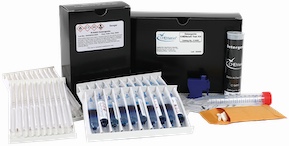
CHEMets snap-and-read test kits employ ampoule-based comparators allowing for a like-for-like comparison between the test amouple and the colour standard, enabling more consistent and accurate test results to be obtained than traditional methods.
The K-9400 CHEMets Detergents test kit, Figure 2 pictured left, measures detergents (anionic surfactants) visually at a range of 0-3 ppm as linear alkylbenzene sulphonate (LAS), equivalent weight 325. The 3 minute procedure, using the Methlyene Blue Active Substances (MBAS) method, features a unique extraction and sampling technique that eliminates several steps required in other test procedures and provides increased sensitivity.CHEMetrics is proud to have the CHEMets® detergents test kit listed in the USEPA’s Illicit Discharge Determination Elimination (IDDE) manual, Appendix F2.5.
The K-1510 CHEMets Ammonia test kit employs the well-known Nessler reagent to deliver sensitivity and accuracy within two minutes or less. This visual test kit uses two colour comparators for analysis, spanning low and high measurement ranges. The developed yellow colour in the ampoule is proportionate to the ammonia concentration in the sample. Test ranges are 0.0-1.0 ppm and 1-10 ppm as ammonia-nitrogen, NH3-N. Many more CHEMets based test kits are available, including Chlorine, Copper, Nitrate, Oxygen (Dissolved), Phenols, Phosphate and Zinc.
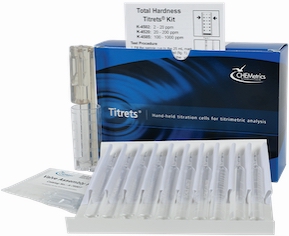
Titrets test kits are much simpler and safer than traditionnal titration methods because the chemistry is contained in the ampoule, employing CHEMetrics patented reverse titration technology based on the self-filling reagent ampoule. Everything required to perform 30 titration tests is included in the small, portable box. Conventional titration techniques need to be performed in a laboratory with access to the appropriate reagents, distilled water and titration equipment. Preparation, set up and titration procedure can be time consuming and there is an extensive post-test clean up.
The K-4520 Hardness Titrets test kit, Figure 3 pictured above, employs the well-known EDTA reagent to deliver sensitivity and accuracy within two minutes or less. The EDTA Method is used for Total Hardness. The kit measures hardness in the range of 20-200ppm (mg/l) as CaCO3. The ampoule contains a premixed and premeasured quantity of alkaline titrant, while the sample volume is varied. After snapping the ampoule tip, the sample and indicator are drawn in a little at a time from the sample cup until a colour change signals that the end point has been reached. The amount of sample required to neutralise the alkaline titrant is proportional to the hardness of the sample, which is shown on the scale on the outer surface of the ampoule. Each kit contains 30 tests. CHEMetrics also offer a series of Nitrite Titrets test kits.
Stormwater MS4 Test Kit
AquaPhoenix and CHEMetrics understand the challenges that come with stormwater testing and have created the AquaPhoenix Stormwater MS4 Test Kit (TKIDDEMS4-STD) to make field testing simpler.
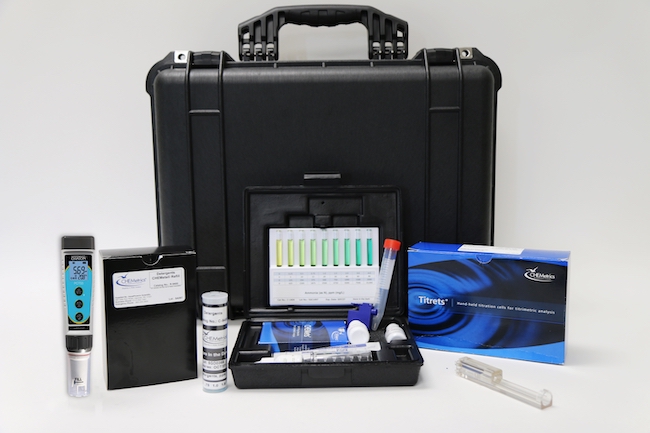
Figure 4: The AquaPhoenix Stormwater MS4 Test Kit lets you protect your waterways with confidence!
The standard MS4 test kit comes with the following CHEMetrics test kits and AquaPhoenix meter.
| Cat. No. | Parameter | Format | Range |
|---|---|---|---|
| K-1420 | Ammonia | CHEMets Test Kit | 0 - 4.0 & 0-80 ppm |
| K-9400 | Detergents | CHEMets Test Kit | 0 - 3.0 ppm |
| K-4502 | Hardness | Titrets Test Kit | 2 - 20 ppm |
| WD-35634-60* | pH, Conductivity, TDS & Salinity | PCTS5 Pocket Meter | Various |
The kit comes in a secure plastic case that is foam lined, perfect for carrying out into rainy weather. Don’t be fooled by the name, the AquaPhoenix Stormwater MS4 Test Kit is great for participatory science, environmental groups, or anyone trying to track down an illicit discharge location. No MS4 or discharge permit required!
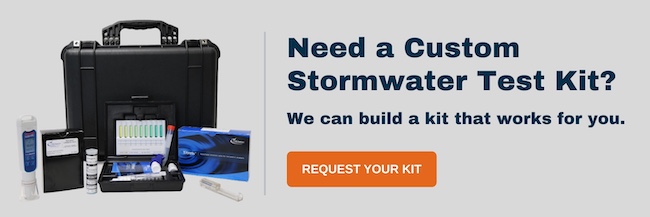
The AquaPhoenix MS4 Stormwater test kit can be configured to your exact needs and is also customisable with optional addon/replacement CHEMetrics and AquaPhoenix tests and meters for additional parameters including but not limited to:
| Chlorine | Nitrite | Potassium* |
| Colour* | Oxygen (Dissolved) | Phosphate (Ortho) |
| Copper | Phenols | Turbidity* |
| Nitrate |
If you need an analyte not listed, view the full CHEMetrics product range on the parameters page or contact us for further customisation.